This week, the gRPC-Go maintainers disclosed a critical vulnerability identified as CVE-2026-33186, highlighting a path-confusion flaw that has sent ripples through the developer community. This vulnerability, first introduced in gRPC-Go version 1.56 in July 2023, allows HTTP/2 requests with non-canonical :path pseudo-headers (e.g., ‘Package.Method/’, ‘Package//Method’, ‘PACKAGE.method’) to bypass authorization interceptors, effectively reaching the underlying handler without credentials. The implications are particularly severe given gRPC-Go’s prominence as the reference implementation for Go-based gRPC services, integral to major platforms like Google Cloud’s internal control plane, CockroachDB, and Istio’s sidecar proxy. This article delves into the technical intricacies of CVE-2026-33186, its ramifications within the tech industry, and why time is of the essence for affected organizations to implement the necessary patches.
Context
The gRPC protocol, which stands for Remote Procedure Call framework, has become a cornerstone in modern software architecture, enabling efficient communication between microservices through HTTP/2. gRPC-Go, written in the Go programming language, is one of the primary implementations of this protocol and is widely utilized due to its performance and integration capabilities. The current vulnerability is particularly concerning because it touches upon gRPC’s core functionality — secure and streamlined communication.
This flaw is rooted in the mismatch between how paths are canonically handled in routing versus authorization interceptors. Paths, which should be compared in a normalized form, were instead being processed in their literal form, creating a discrepancy that attackers could exploit. The vulnerability went unnoticed until recently, despite existing in versions of gRPC-Go from 1.56 through 1.70. As large-scale systems rely on gRPC-Go for seamless and secure operations, the impact of such an oversight can be profound.

The timing of this disclosure is critical as the use of gRPC continues to proliferate across cloud services and enterprise solutions. By exposing this flaw, developers and security teams are urged to act swiftly in order to prevent unauthorized access attempts that exploit this path manipulation loophole. This week marks a pivotal moment as the community rallies to address the issue, underscoring the perils of security complacency in foundational software dependencies.
What Happened
CVE-2026-33186 was reported by gRPC-Go maintainers following the identification of a path-confusion vulnerability that impacted authorization processes in affected versions. In essence, the flaw arises from the way HTTP/2 requests handle the :path pseudo-header. Instead of treating paths in a normalized state for both routing and authorization, the discrepancy allowed variations like ‘Package.Method/’ or ‘PACKAGE.method’ to bypass interceptor checks, leaving systems exposed to unauthorized access.
Technical analysis revealed that the bug traces back to code changes implemented in version 1.56, with the issue persisting through to version 1.70. The critical nature of this vulnerability stems from the fact that attackers aware of the RPC names could exploit this gap to reach protected endpoints without needing proper authentication credentials, thereby compromising security integrity. Affected entities include key platforms such as Google Cloud and CockroachDB, emphasizing the widespread implications of this security lapse.
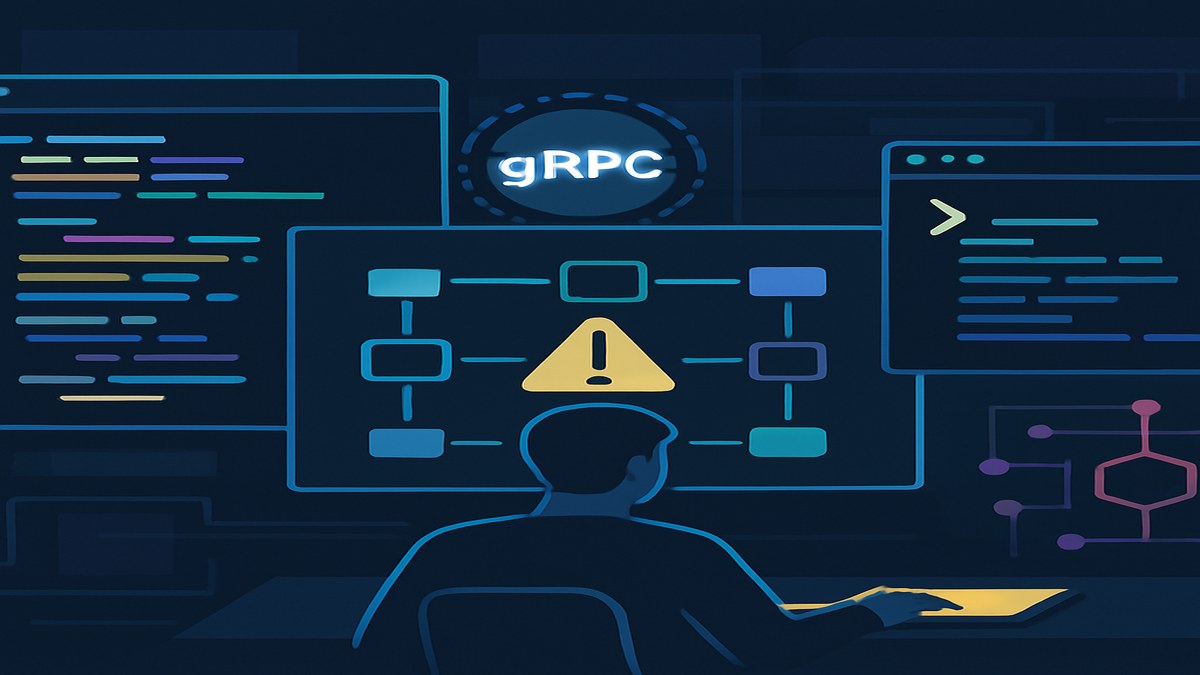
In response, the gRPC-Go team acted swiftly by releasing version 1.71.1, where they implemented a fix to canonicalize paths before both dispatch and interceptor evaluation. This ensures consistent handling of paths, aligning the decisions made during routing and authentication processes. Teams managing gRPC-Go services are advised to upgrade immediately or apply a simple one-line patch to address this vulnerability. Furthermore, runtime detection of potential exploitation can be managed through monitoring access logs for mismatched :path values.
Why It Matters
The discovery of CVE-2026-33186 is a stark reminder of the continuous battle between software development and security vulnerabilities. In an era where microservices architecture dominates, the integrity and security of communication protocols like gRPC are paramount. This vulnerability not only threatens the security of individual services but poses risks to entire ecosystems that rely on gRPC-Go for their foundational operations.
For developers and IT professionals, this incident highlights the importance of rigorous code review and the need for security-first thinking in the software development lifecycle. As the primary gRPC implementation for Go, gRPC-Go is embedded in countless systems where security breaches could lead to significant data exposure and operational disruption. The swift response to patch this vulnerability serves as a model for addressing such critical issues, reinforcing the value of community vigilance and collaboration.
Moreover, the broader implications extend to policy and compliance realms, where organizations may need to reassess their security postures and response strategies. The incident underscores the necessity of keeping software dependencies up to date and highlights the potential consequences of complacency in maintaining security standards. For stakeholders, this is a call to action to prioritize proactive security measures and to remain vigilant against future vulnerabilities.
How We Approached This
In reporting on CVE-2026-33186, we drew upon a range of reputable sources, including official disclosures from the gRPC-Go maintainers and technical analyses from developers within the community. Our objective was to provide a comprehensive breakdown of the vulnerability’s technical aspects and its broader implications for the industry. Given our developer-focused audience at Code Pulse Weekly, we emphasized the practical steps for mitigation and the lessons to be learned for future security practices.
We chose to focus primarily on the technical details and real-world impact of this vulnerability, excluding speculative commentary to maintain our commitment to precision and factual reporting. Our analysis is grounded in the immediate need for action among those affected, offering a clear path forward in terms of software updates and security protocols. This approach ensures our readers are equipped with the knowledge needed to navigate this critical issue effectively.
Frequently Asked Questions
What is CVE-2026-33186?
CVE-2026-33186 is a path-confusion vulnerability in the gRPC-Go library that allows HTTP/2 requests with non-canonical :path headers to bypass authorization interceptors. This security flaw affects versions from 1.56 to 1.70, permitting attackers to access protected endpoints without credentials, necessitating an urgent update to version 1.71.1 or a patch.
Who is affected by this vulnerability?
Any organization or service utilizing gRPC-Go versions 1.56 through 1.70 is affected by CVE-2026-33186. Major platforms such as Google Cloud, CockroachDB, and Istio’s sidecar proxy, which rely on gRPC-Go, are particularly at risk. Developers and security teams should prioritize patching to safeguard their systems against potential exploits.
How can I protect my systems from this vulnerability?
To protect systems from CVE-2026-33186, it is essential to upgrade to gRPC-Go version 1.71.1, where the path handling issue has been resolved. Alternatively, apply the provided one-line canonicalization fix. It’s also advisable to monitor access logs for suspicious :path values to detect any unauthorized access attempts utilizing the vulnerability.
As the tech landscape continuously evolves, vulnerabilities like CVE-2026-33186 remind us of the importance of vigilance and proactive measures. For developers and security professionals, ensuring your systems are patched and up-to-date is crucial to maintaining the integrity of your services. As gRPC-Go rolls out fixes, the community must unite to safeguard against similar future threats, reinforcing a culture of security-first thinking across development and operational practices.