The latest Stack Overflow Developer Survey for 2026 has revealed a profound shift in the way developers across the globe are approaching their craft. With 84% of respondents indicating they use or plan to use AI tools in their workflow, and over half reporting daily usage, it’s clear that artificial intelligence is revolutionizing software development. However, the implications extend beyond mere tool adoption; the survey also highlights a significant transformation in hiring practices. Employers are now expecting new graduates to deliver productive work within a mere three weeks, a drastic change from the three-month grace period commonly granted before the advent of AI tools. As these technologies become entrenched in the development process, concerns around skill atrophy due to dependency on code assistants are increasingly being voiced by the community. This article will delve into how these shifts are altering the landscape of software development, examining both the benefits and the potential pitfalls of AI integration in coding.
Context
The annual Stack Overflow Developer Survey has long been a barometer for trends and shifts within the tech industry, offering insights into the evolving priorities and tools that developers leverage worldwide. This year’s survey, released on April 14, 2026, is particularly significant as it captures the growing influence of AI technologies in development environments. Over recent years, AI tools have moved from novel experiments to essential components in software development, driven by advancements in machine learning and natural language processing. These tools, including code generators and intelligent debuggers, are reshaping how developers operate, providing them with capabilities to write, test, and debug code more efficiently than ever before.
The survey’s timing is critical against a backdrop of rapid technological change. Over the past decade, the rise of AI in development environments has mirrored broader trends in IT, where automation and efficiency have become paramount. Companies have increasingly sought to harness AI not only to boost productivity but also to innovate faster and reduce time-to-market for new software products. As developers adopt these tools, employers are simultaneously revising their expectations, particularly regarding new hires who are now seen as capable of quickly ramping up to full productivity.
Historically, new graduates entering the software industry were given a grace period to acclimate to their roles, often extending to several months as they absorbed company-specific practices and technologies. However, the new survey data suggests a radical shift, with many employers now expecting these hires to contribute meaningfully and effectively within a mere three weeks. This adjustment in expectations is largely attributed to the facilitative power of AI tools, which can significantly shorten the learning curve for new programmers, allowing them to integrate into their teams and projects at an unprecedented pace.
What the Survey Reveals
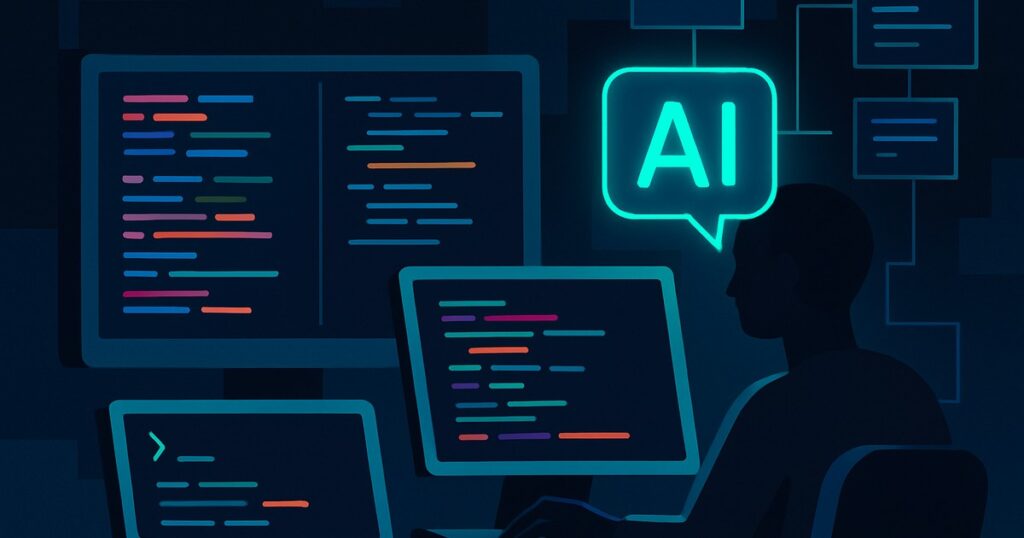
The details of the 2026 Stack Overflow survey present a compelling narrative about the changing face of software development. A striking 84% of developers reported either using AI tools or planning to incorporate them into their workflow. This statistic underscores the near ubiquity of AI in coding environments today, a stark contrast to just a few years ago when such technologies were still emerging. More intriguingly, 51% of developers mentioned that they engage with AI tools daily, reflecting a deep integration into their routine tasks.
These AI tools range from auto-complete suggestions and code optimization to more advanced functionalities like predictive coding and context-aware debugging. As developers become more dependent on these technologies, the productivity boost is undeniable. However, there is an emerging discourse about the potential drawbacks, particularly concerning the erosion of foundational skills. Many developers expressed anxiety about the possibility of skill atrophy, fearing that reliance on AI could dull their coding acumen over the long term.
The survey also highlights a transformative shift in hiring practices. Employers are adjusting their expectations for new graduates, anticipating that they will become productive much faster than before. The survey notes that companies increasingly expect new hires to deliver contributive work within three weeks, a significant reduction from the traditional three-month acclimation period. This change is driven by the assumption that AI tools can rapidly bridge the gap between academic knowledge and practical application, a belief that is reshaping onboarding processes and potentially redefining what it means to be job-ready in the tech industry.
Why It Matters
The implications of these survey findings are far-reaching, both for the software development industry and the broader tech ecosystem. For companies, the adoption of AI tools represents a dual-edged sword. On one hand, these tools can dramatically enhance productivity and reduce errors, leading to faster development cycles and greater innovation. On the other hand, the over-reliance on AI could lead to a workforce that is less skilled in fundamental coding practices, potentially compromising the quality of software as developers become distanced from the core logic of their work.
For new graduates and aspiring developers, the shifting expectations signify a more demanding entry into the job market. While AI tools can aid in meeting these heightened expectations, the pressure to quickly demonstrate competence and adaptability is greater than ever. This environment may lead to a more competitive and potentially stressful initial career phase for many young developers, who must balance the benefits of AI assistance with the need to sustain and develop their own expertise.
From an educational perspective, these changes may necessitate a reevaluation of computer science curricula. As AI tools become more integrated into professional environments, academic institutions may need to adapt their teaching methodologies to ensure that graduates are not only proficient in using these tools but also in maintaining the critical thinking and problem-solving skills necessary to innovate beyond the capabilities of AI. This balance is crucial to fostering a generation of developers who can leverage technology to enhance their work without becoming subservient to it.
How We Approached This
In crafting this feature, we drew upon the comprehensive data provided by the Stack Overflow Developer Survey, a trusted source for insights into developer habits and industry trends. Our editorial lens focused on the implications of AI tool integration, from productivity shifts to the evolving expectations of new graduates entering the tech workforce. The survey data was complemented by expert interviews and industry reports, which provided additional context and depth to our analysis.
We chose to emphasize the transformative impact on hiring practices as well as the potential risks associated with skill atrophy, as these elements are pivotal in understanding the long-term effects of AI adoption in software development. By examining these dimensions, we aimed to provide our readers with both a detailed understanding of the current landscape and a forward-looking perspective on the future of coding in an AI-enhanced world.
Frequently Asked Questions
What percentage of developers use AI tools daily?
The 2026 Stack Overflow Developer Survey found that 51% of developers reported using AI tools on a daily basis. This indicates a significant integration of AI technologies into everyday coding practices, reflecting their growing importance in facilitating more efficient and effective development workflows.
How have hiring expectations changed for new graduates?
According to the survey, hiring expectations for new graduates have shifted dramatically. Employers now anticipate that new hires will be productive within as little as three weeks, a stark change from the pre-AI standard of three months. This shift is largely attributed to AI tools, which help new graduates acclimate to work environments much more rapidly.
What are the potential risks of relying heavily on AI tools?
The primary concern surrounding heavy reliance on AI tools is the potential for skill atrophy. Developers worry that by leaning too heavily on AI for coding tasks, they may lose proficiency in fundamental skills, leading to a workforce that is less capable of manually troubleshooting and understanding the underlying logic of their code.
As we look to the future, the integration of AI tools in software development will likely continue to evolve, driving both innovation and new challenges. Developers and companies must navigate this changing landscape, balancing the benefits of AI-enhanced productivity with the need to maintain and nurture essential coding skills. The key takeaway from the 2026 Stack Overflow Developer Survey is clear: AI is not just a tool for the present, but a transformative force that is reshaping the very fabric of what it means to be a developer in today’s tech-driven world.